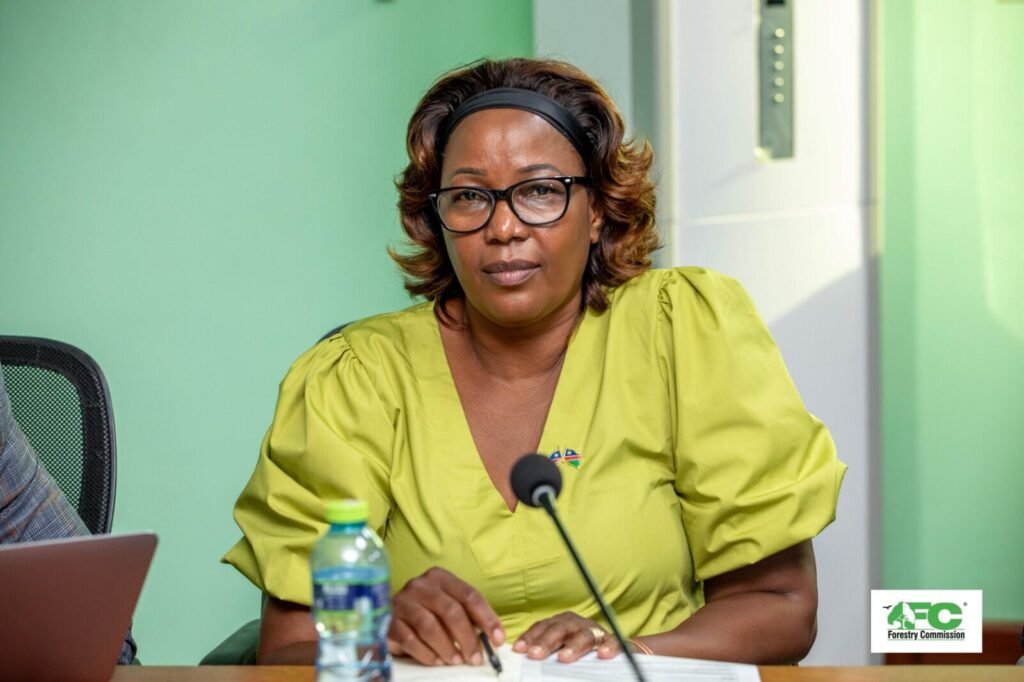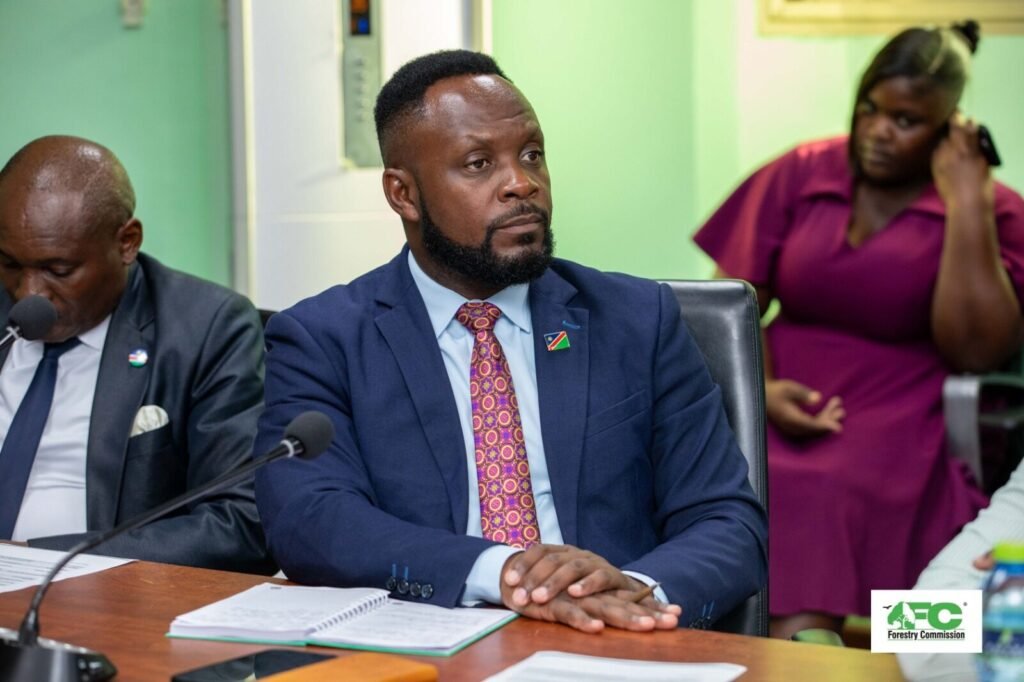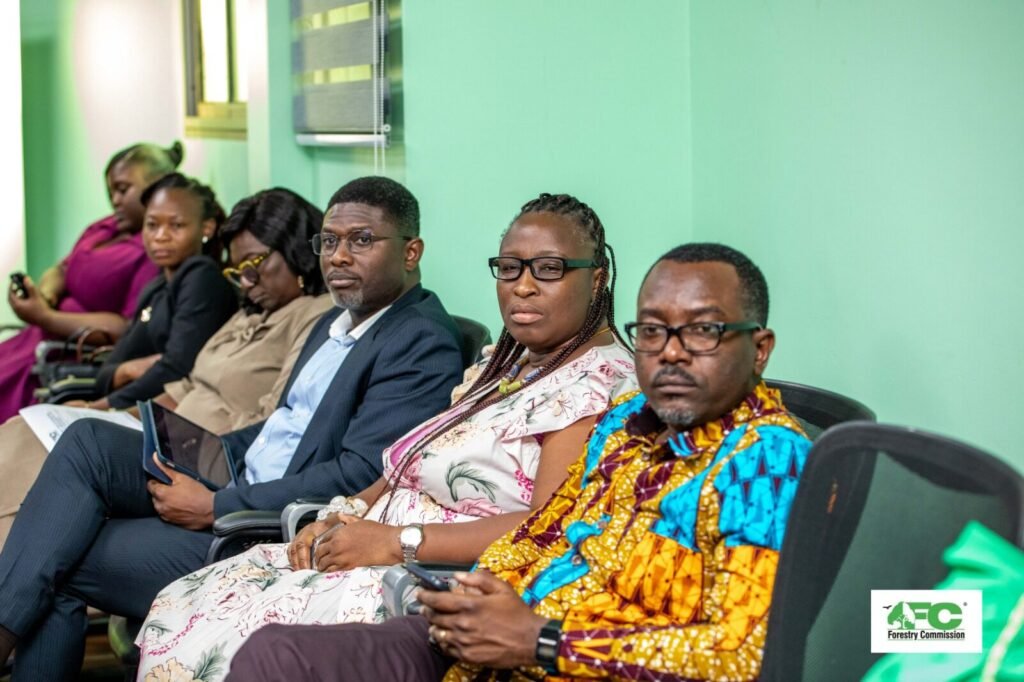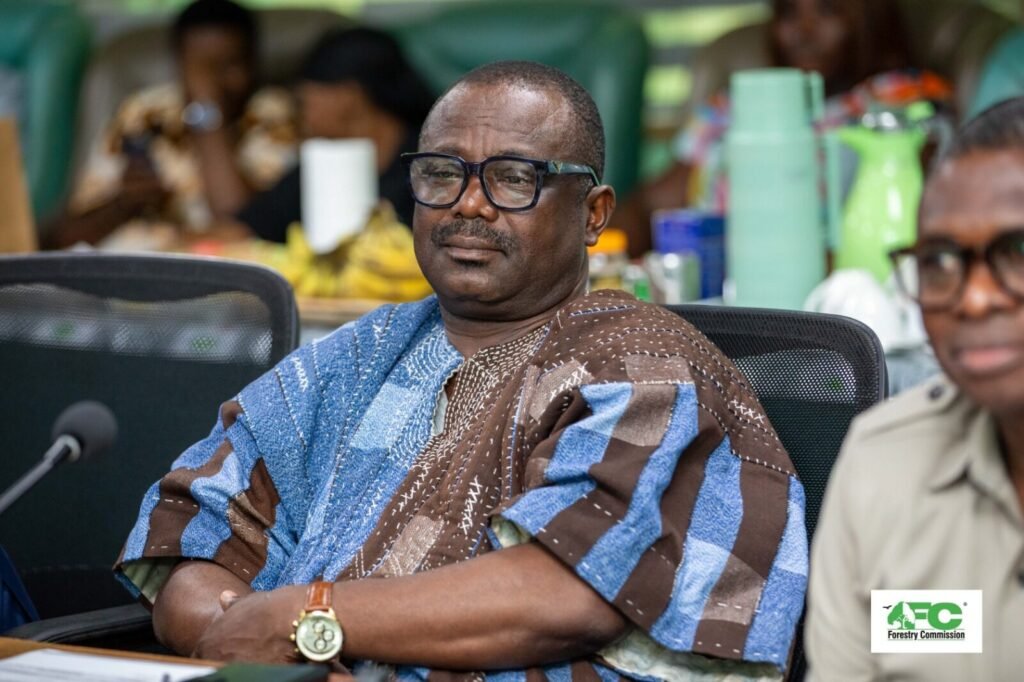

A 10-member delegation from the Parliament of Namibia has paid a working visit to the Forestry Commission (FC) of Ghana to strengthen bilateral cooperation and exchange best practices in the governance and sustainable management of natural resources.
The visit formed part of a broader educational tour by the Standing Committee on Natural Resources of the Parliament of Namibia to key state institutions in Ghana.
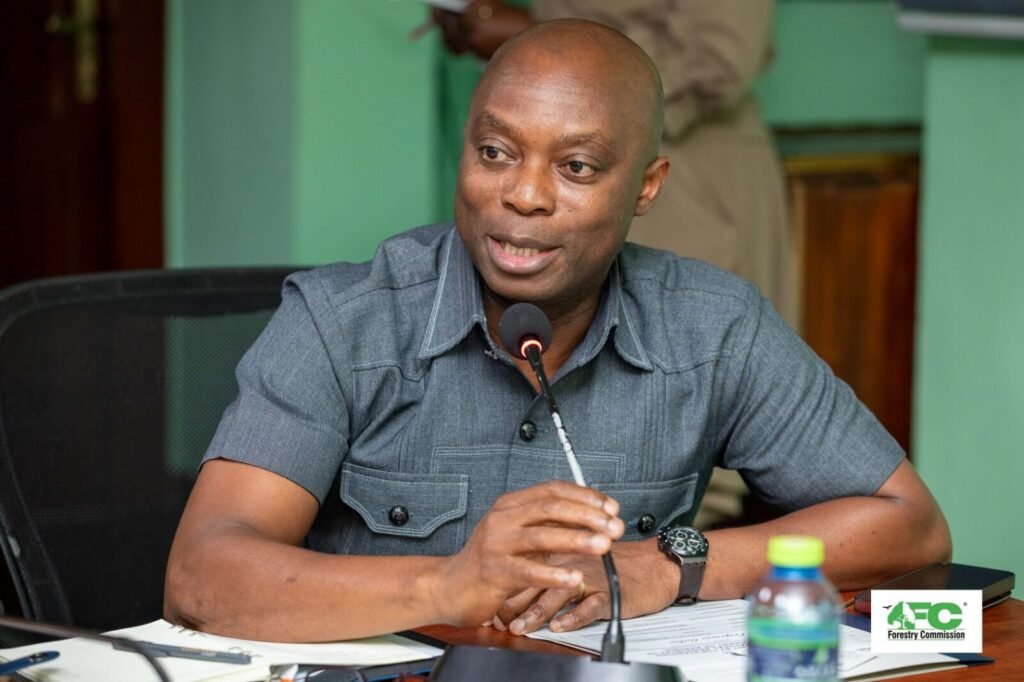
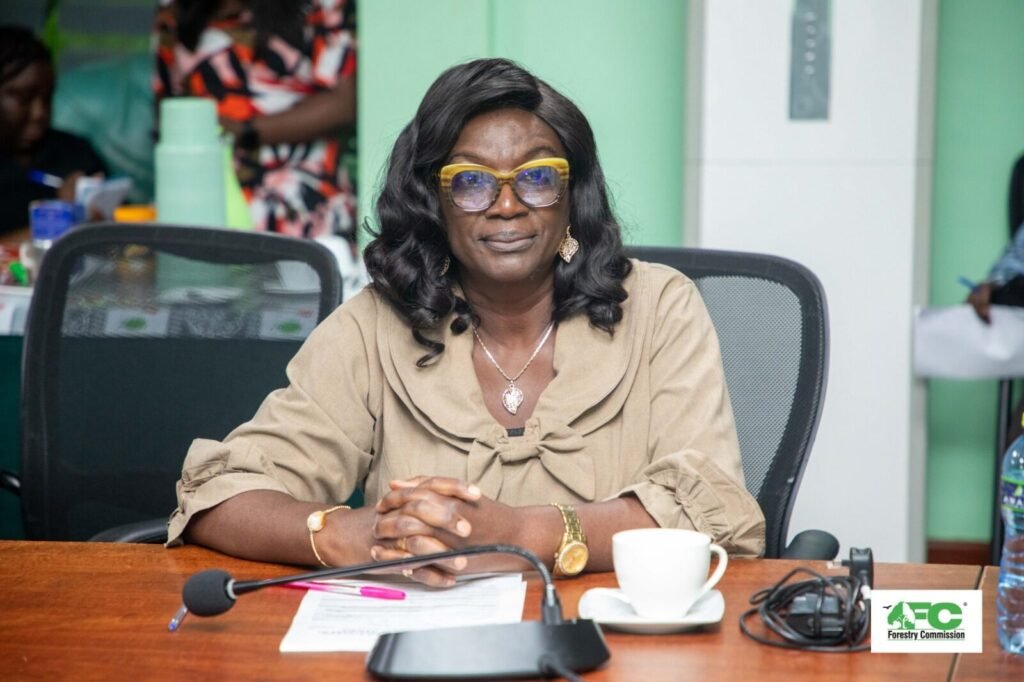
The delegation was received by the Chief Executive of the Forestry Commission, Dr. Hugh Brown, his Deputy, Mr. Elikem Kotoko, members of the Executive Management Team, and some staff of the Commission.
In his welcome address, Dr. Brown highlighted Ghana’s long-standing forestry administration, which dates back to 1909, and outlined the Commission’s structure comprising the Forest Services Division (FSD), the Wildlife Division (WD), and the Timber Industry Development Division (TIDD). He also expressed personal admiration for Namibia, commended its leadership, including its achievement of having a female president, and reaffirmed Ghana’s commitment to strengthening collaboration between the two countries.
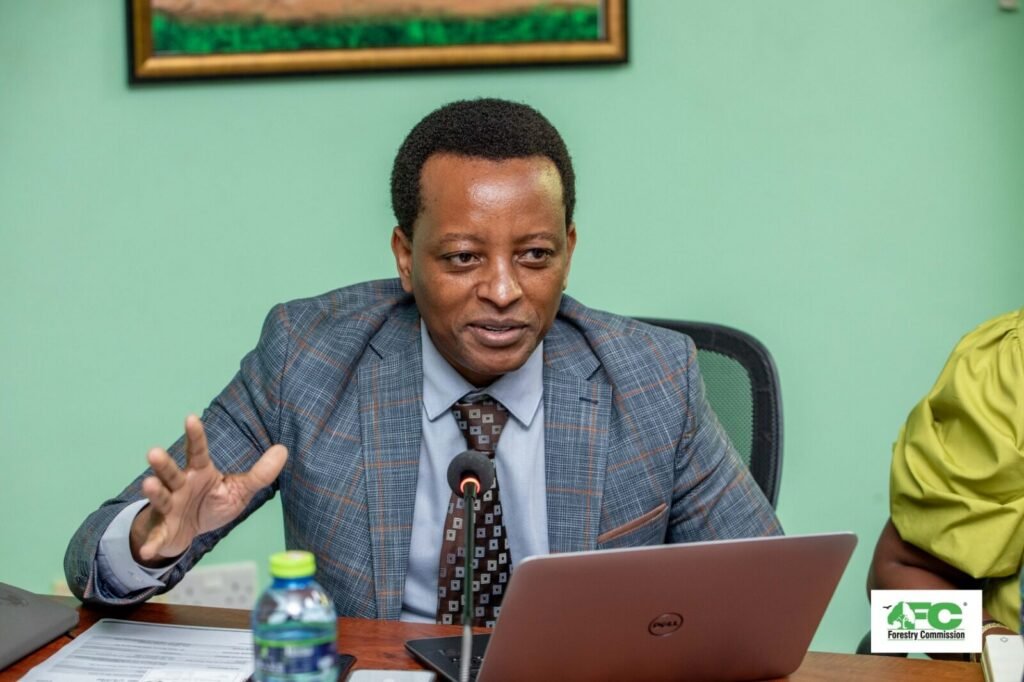
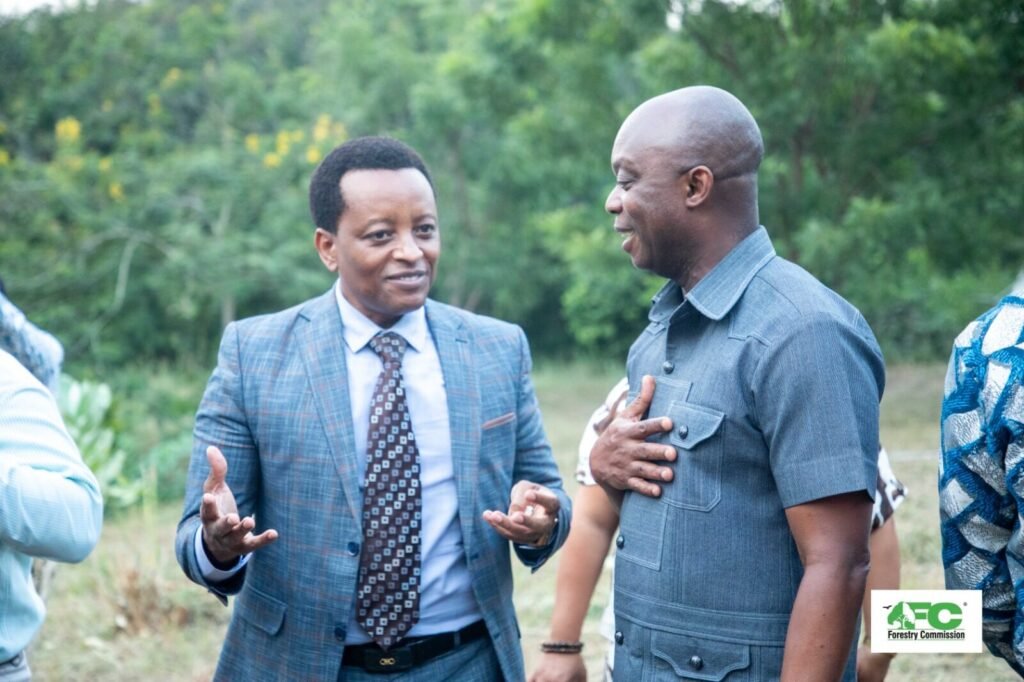
Responding on behalf of the delegation, Dr. Tobie Ocean Aupindi, MP, Chairman of Namibia’s Parliamentary Standing Committee on Natural Resources, thanked the Commission for the warm reception. He explained that the Committee, made up of 24 Members of Parliament, provides oversight across key natural resource sectors including forestry, fisheries, wildlife, tourism, mining, energy, oil and gas, and green industries, with the exclusion of lands. He noted that the purpose of the visit was to learn from Ghana’s governance systems and best practices, while building on the longstanding Ghana–Namibia cooperation that dates back to the days of both nations’ founding fathers. Dr. Aupindi emphasised Africa’s responsibility to sustainably regenerate and scientifically enhance its natural resources for future generations.
Delivering a presentation on behalf of the Chief Executive, Mr. Yaw Kwakye, Director of Operations, Natural Forest, of the FSD, provided an overview of the Commission’s mandate, structure, and key initiatives. He highlighted major programmes such as the Tree for Life Initiative, REDD+ program, and Ghana’s milestone achievement as the first African country to commence Forest Law Enforcement, Governance and Trade (FLEGT) licensing under the EU’s legal timber regime. He also briefed the delegation on joint military operations against illegal mining in forest reserves, which have led to the clearance of nine red-zone reserves, seizure of heavy machinery, and numerous arrests, while acknowledging challenges including inadequate staffing, logistical constraints, security risks, and limited restoration funding.
The engagement followed with an interactive session, allowing both parties to exchange experiences and insights on forest management challenges and mitigation measures.
In his closing remarks, Dr. Brown expressed appreciation for the fruitful discussions and optimism that the visit would mark the beginning of sustained mutual cooperation.
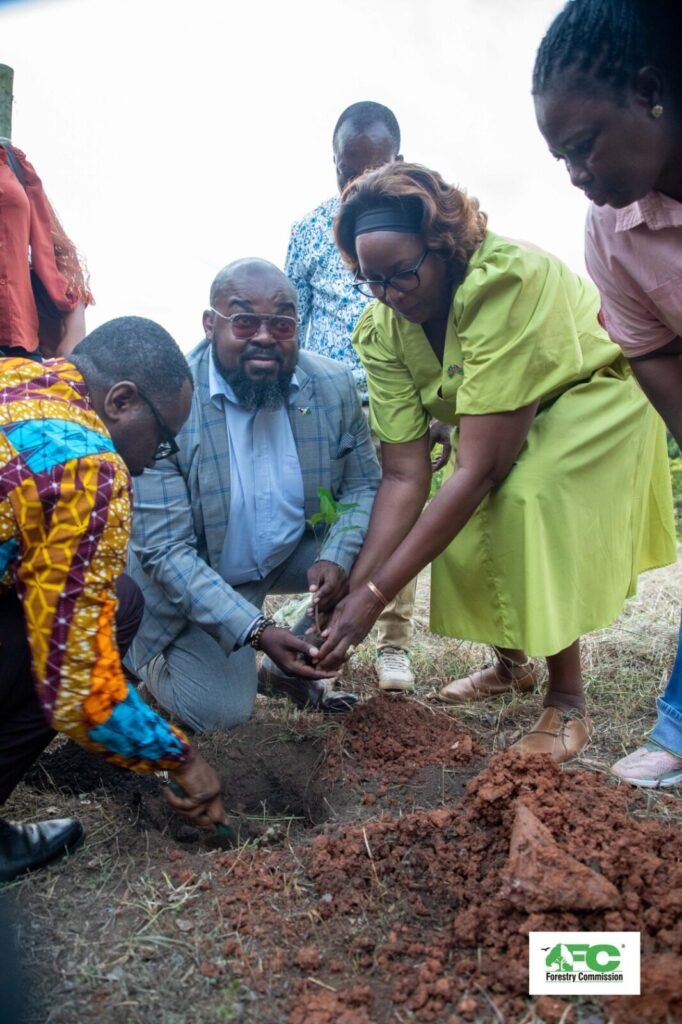
To commemorate the visit, the delegation proceeded to the Ghana Seismological Centre, where two mahogany (Khaya senegalensis) tree seedlings were planted, symbolising the growing partnership between Ghana and Namibia.