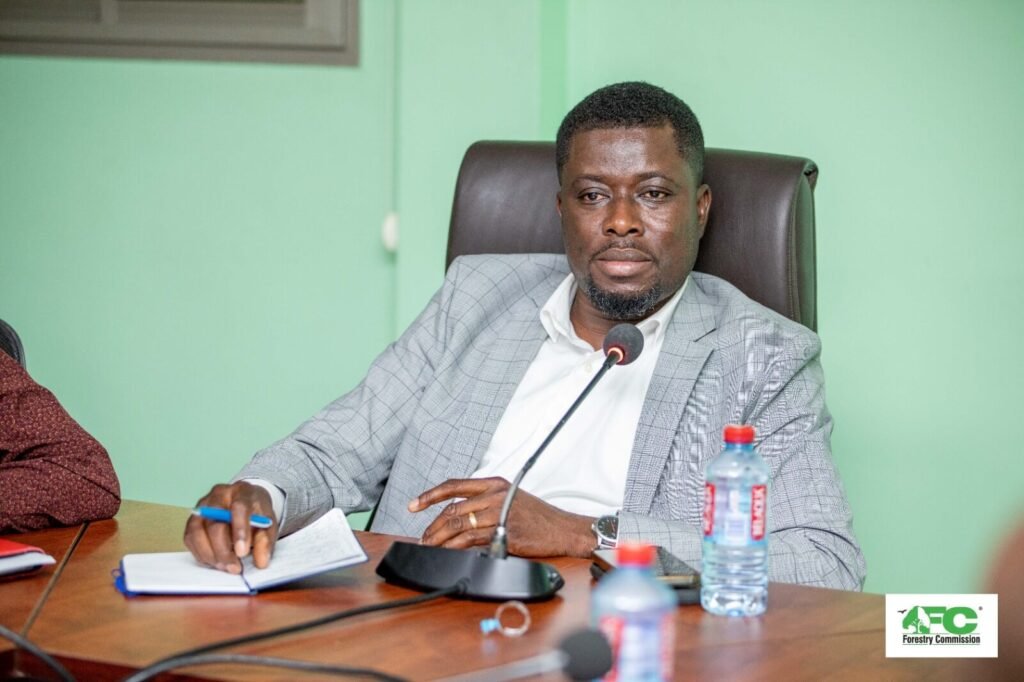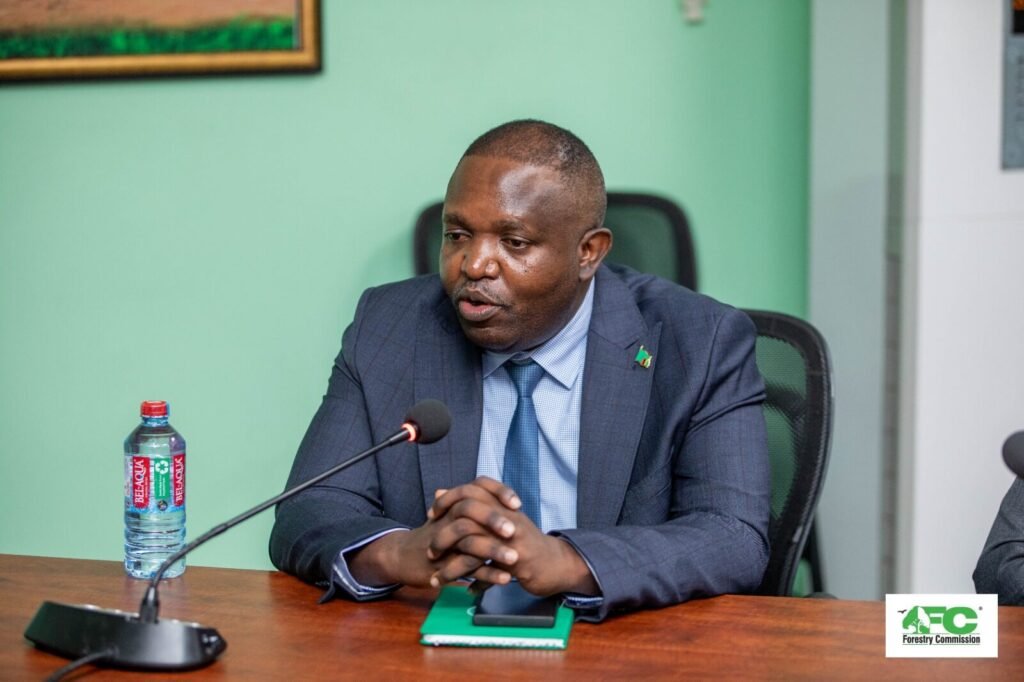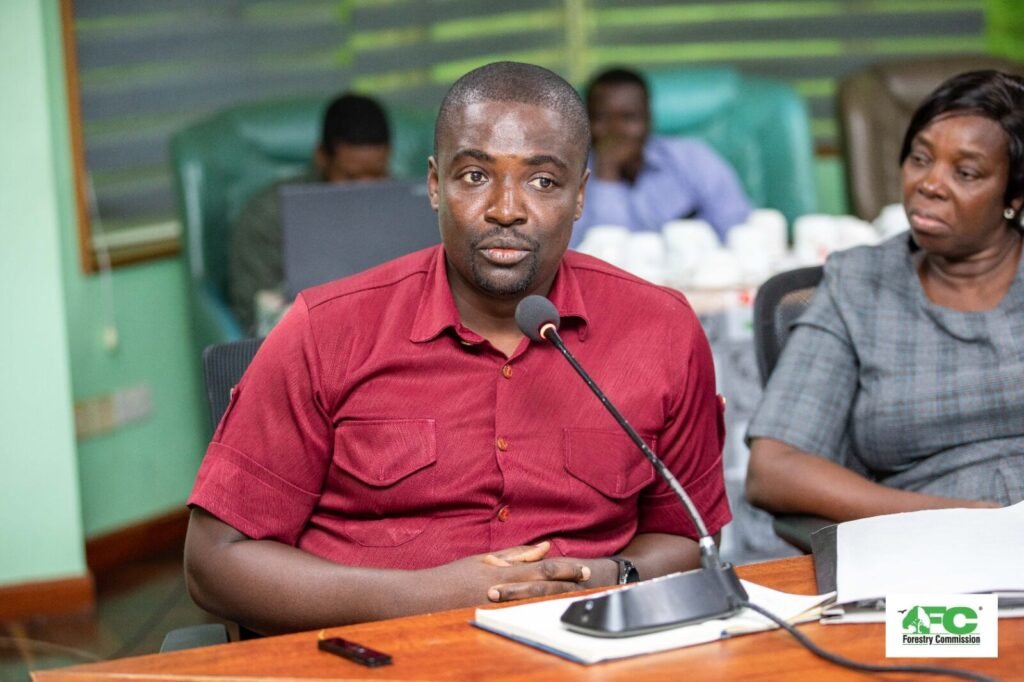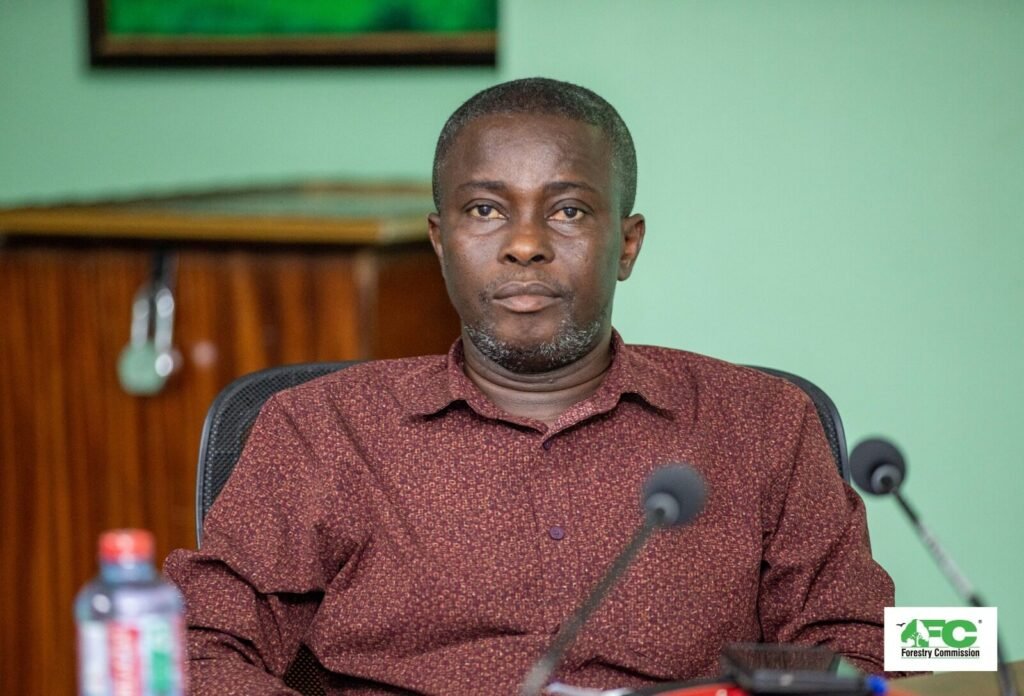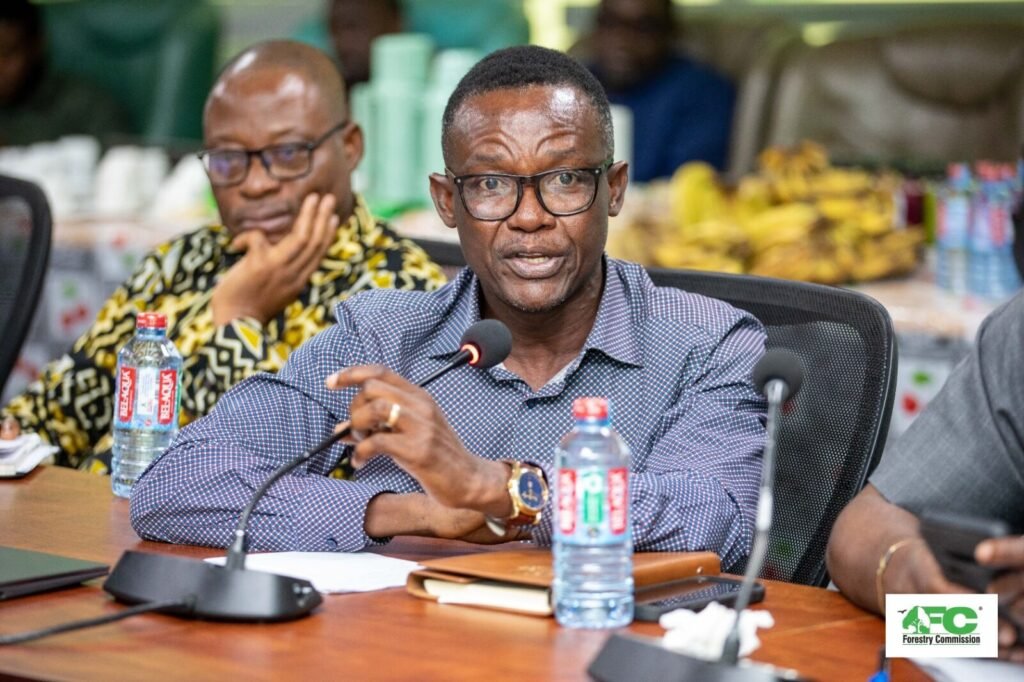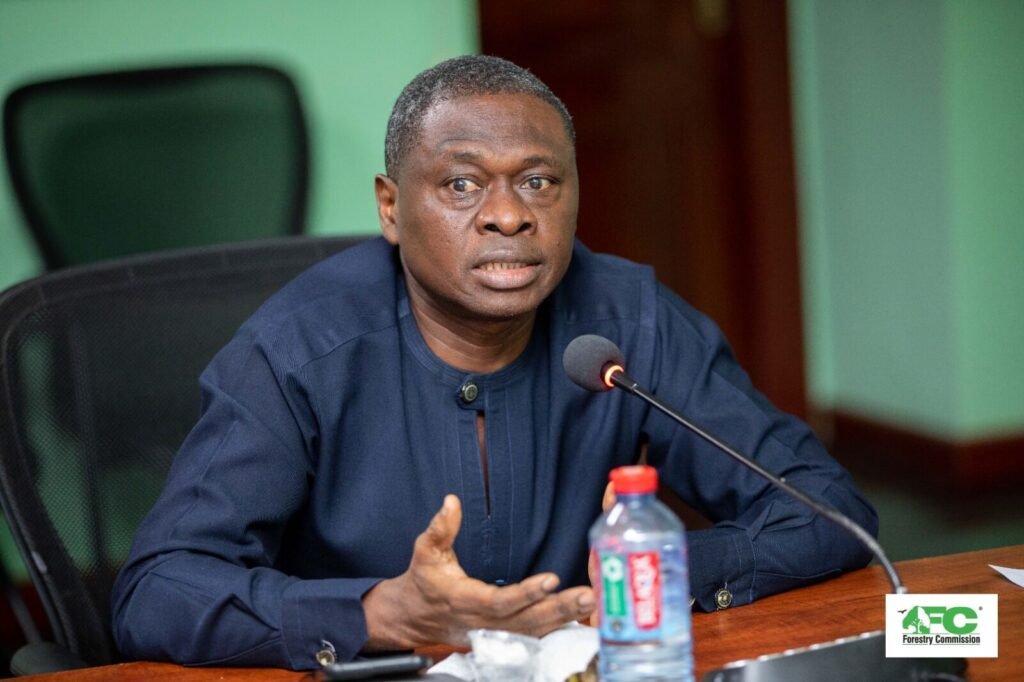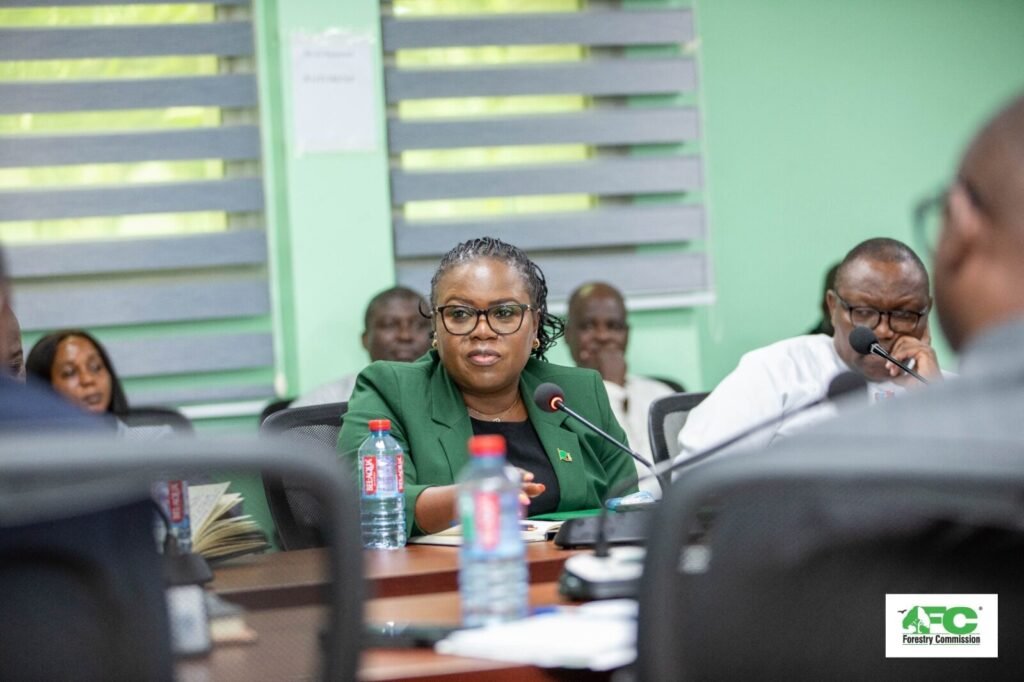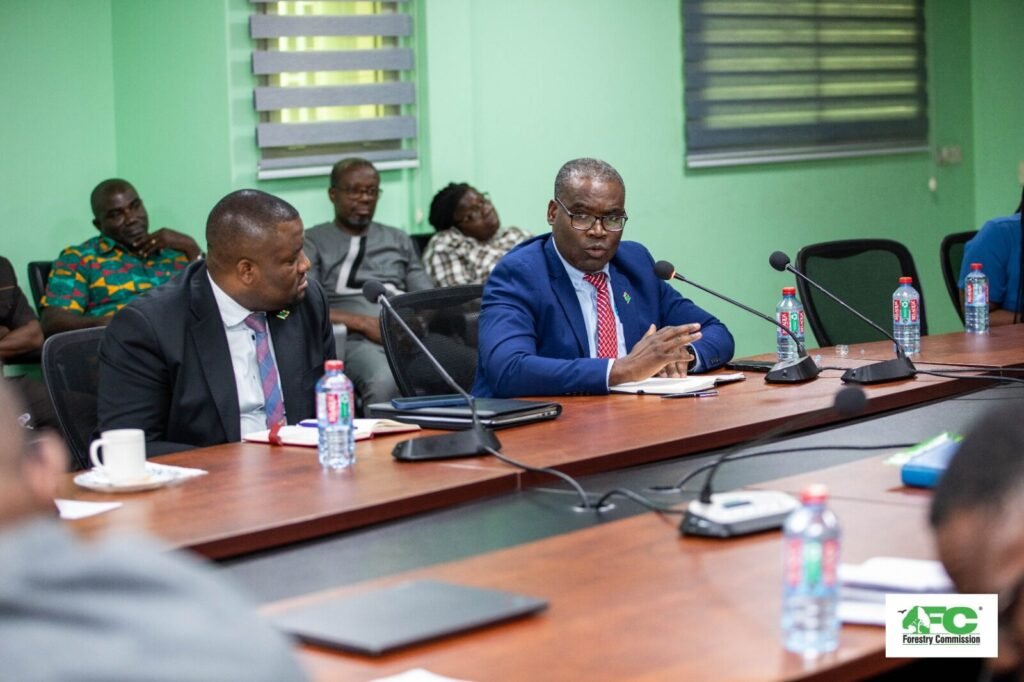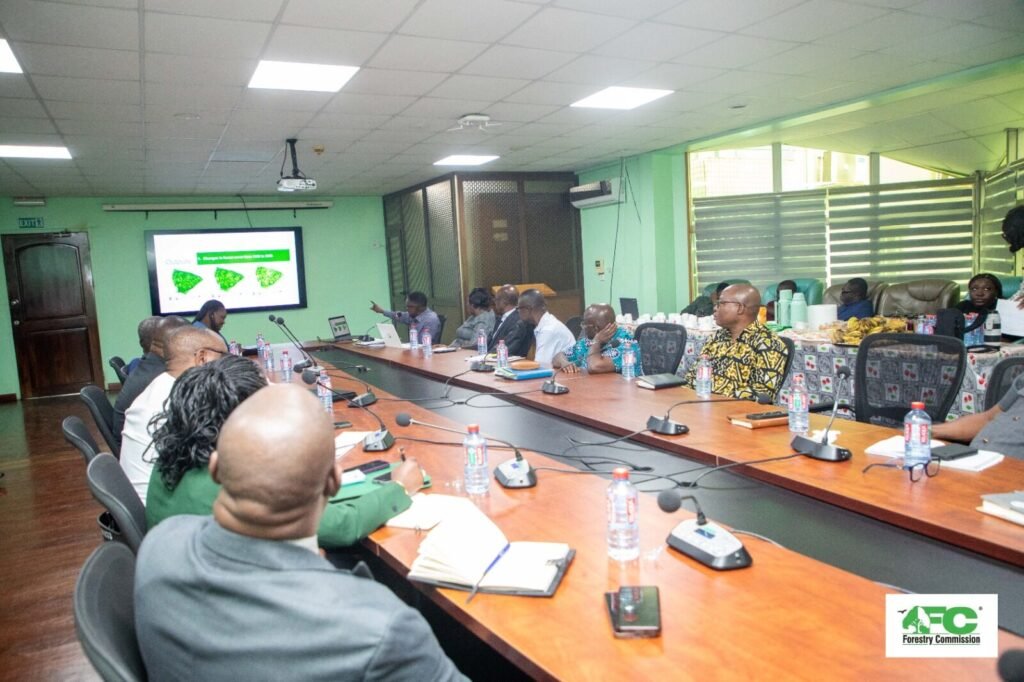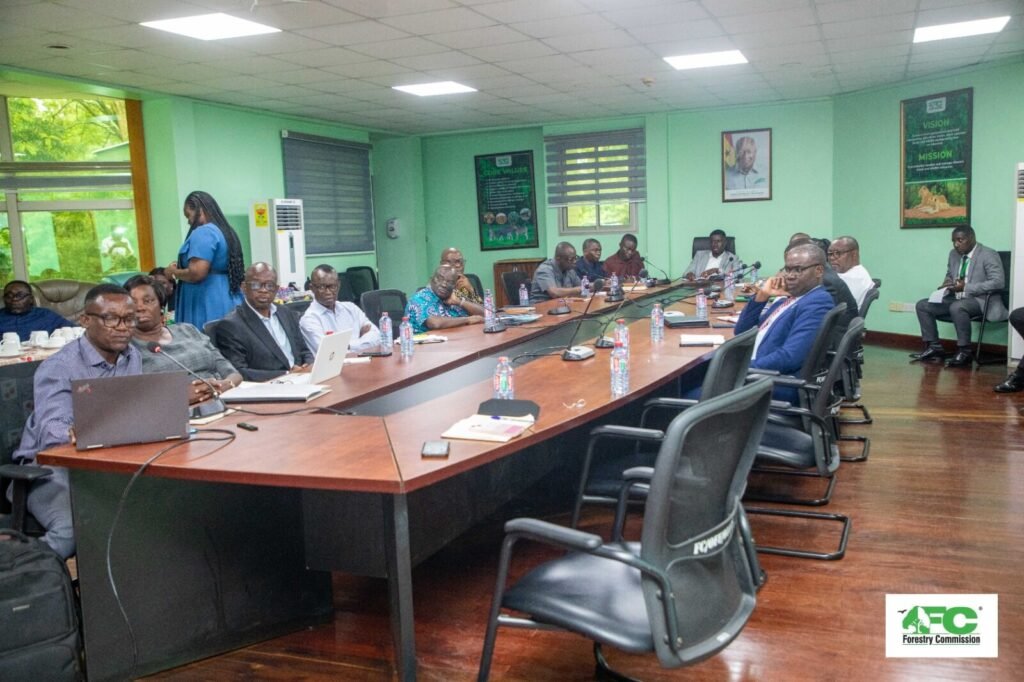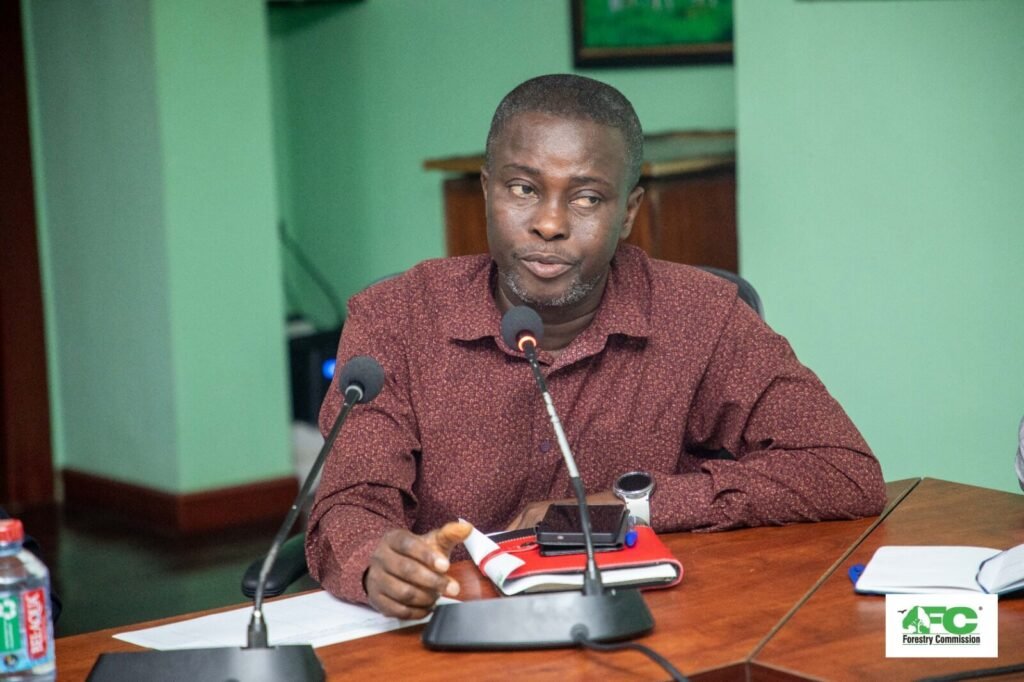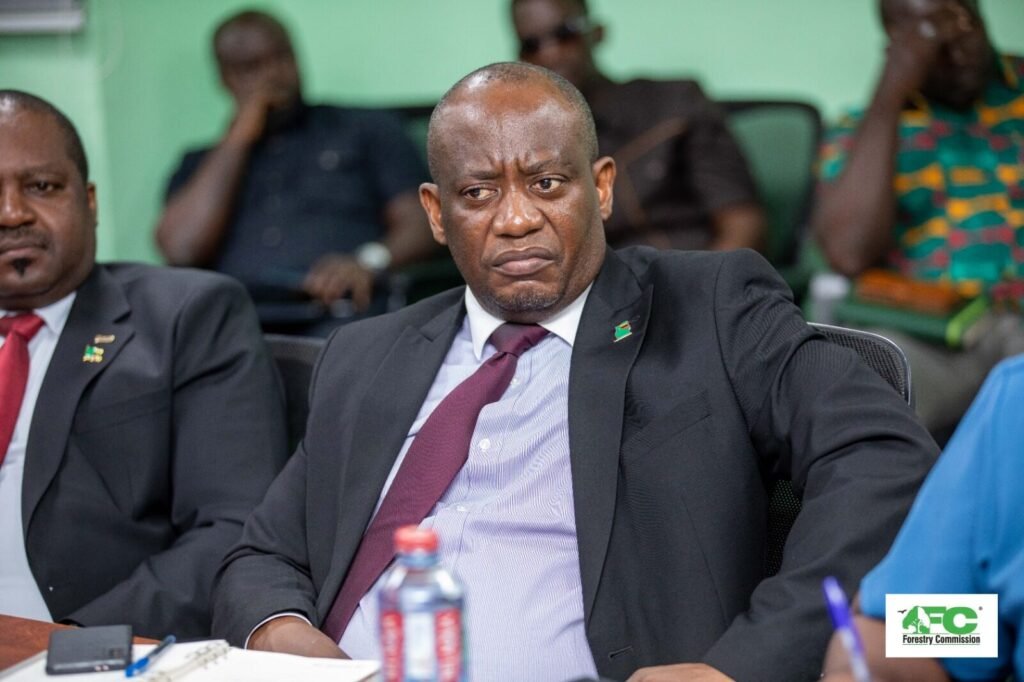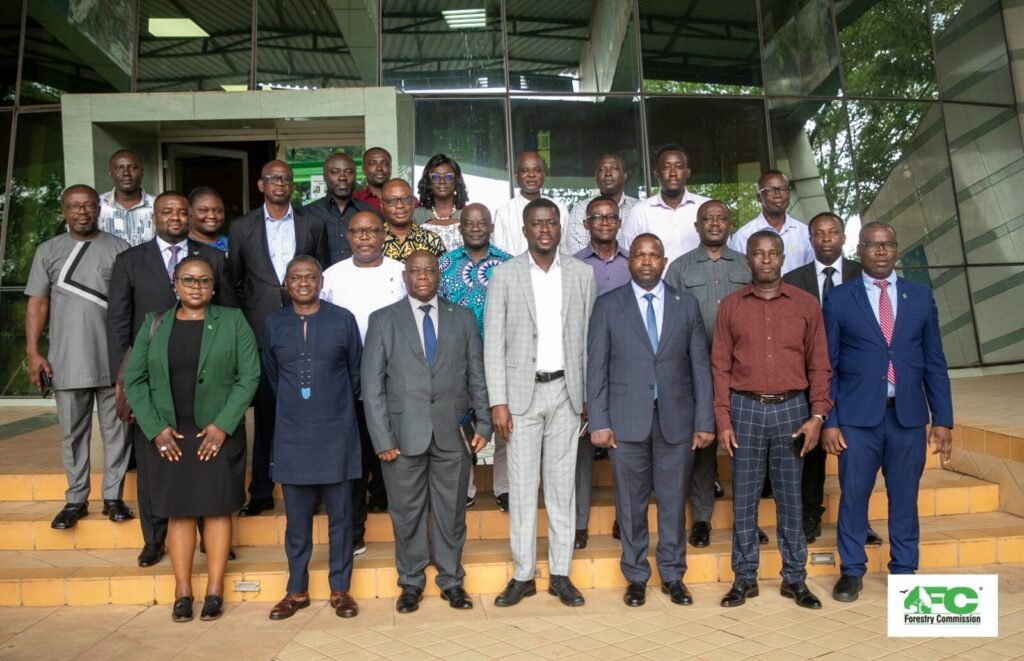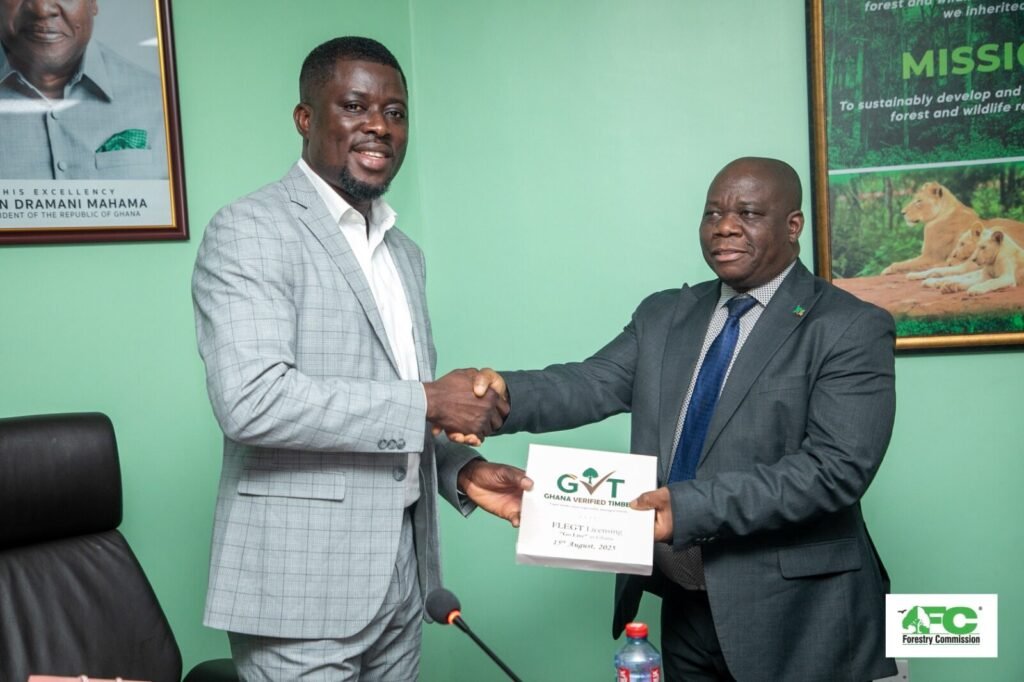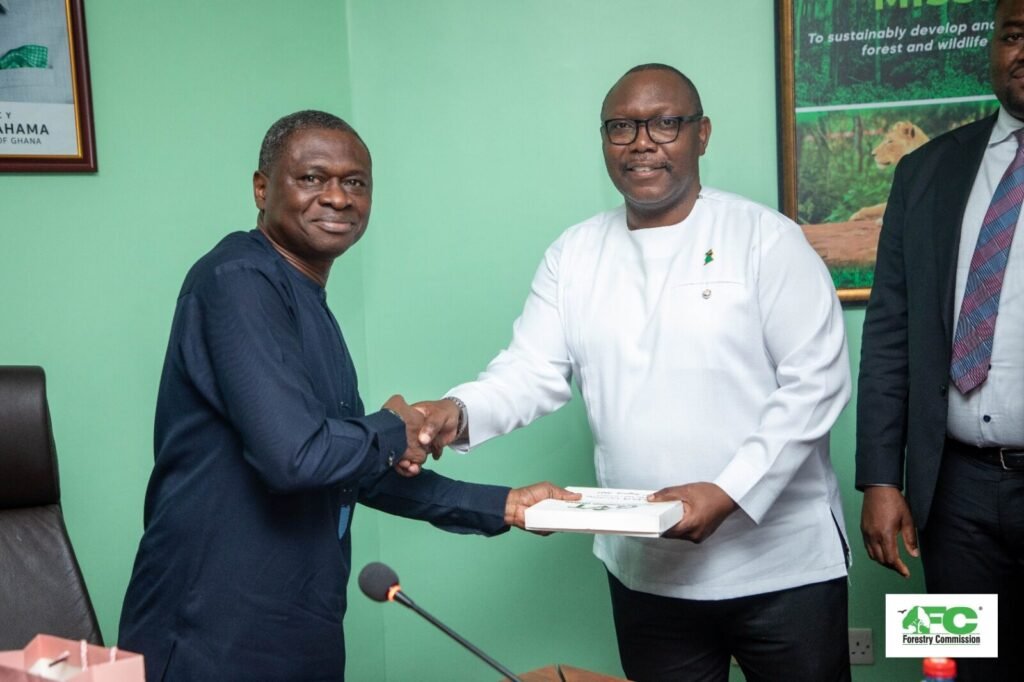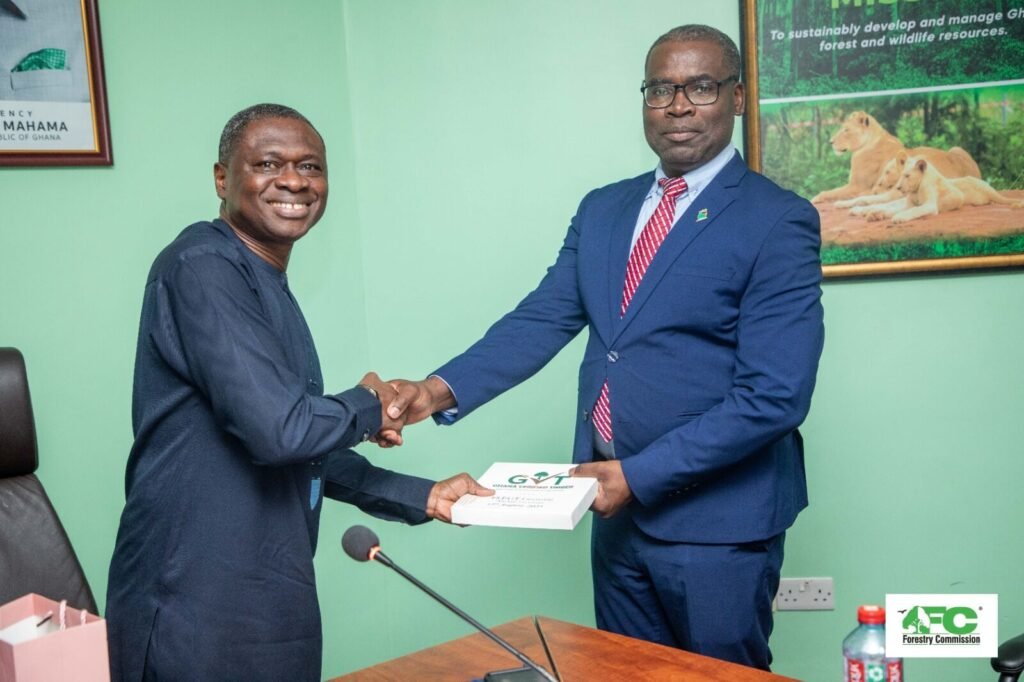
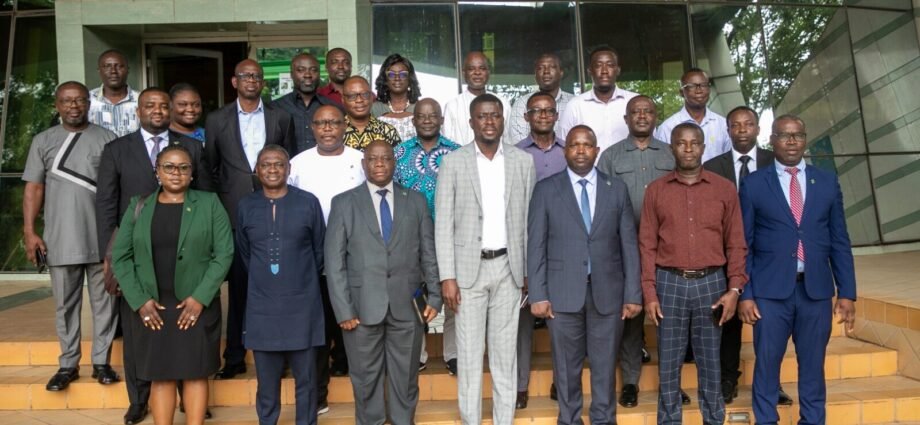
The Acting (Ag.) Deputy Chief Executive (D. C.E.), Mr. Elikem Kotoko, along with the Executive Management Team (EMT) of the Forestry Commission (FC), have welcomed a high-level delegation from Zambia on a learning visit aimed at exploring best practices in sustainable natural resource management.
The visit forms part of Zambia’s efforts to develop policies for the effective management and monetization of its natural resources.
In his welcome address, Mr. Kotoko welcomed the Zambian officials and expressed hope that the engagement would foster stronger bilateral cooperation and yield practical insights.
Speaking on behalf of the Zambian team, the leader of the delegation , Brigadier – General Chishala Mulenga , acknowledged Ghana’s success in forest governance. He stated that the purpose of their visit was to learn about FC as Zambia was in the process of developing a policy to aid in in the sustainable management and monetisaion of their natural resources. “It is an area where Ghana has excelled”, he said, and declared the team’s interest in learning how Ghana is tackling the canker of illegal mining as well.
As part of the visit, Mr. Kwame Agyei, Manager, Plantations Investment , Forest Services Division (FSD) of FC, provided an overview of the Commission’s organisational structure, operational divisions, and key achievements. Notably, he highlighted Ghana’s landmark status as the first African country and second globally to have issued Forest Law Enforcement, Governance and Trade (FLEGT) licenses, ensuring timber exports to the EU meet strict legal standards.
Mr. Agyei also shared progress in ecotourism and conservation, citing 374,311 visitors to FC-managed sites and the establishment of 9,707 hectares of new forest plantations. Additionally, he referenced the Emission Reductions Purchase Agreement with Tullow Oil, a strategic REDD+ initiative aimed at offsetting 600,000 tonnes of carbon annually.
However, he acknowledged several persistent challenges, including limited logistics, underfunding of reforestation efforts, and delays in prosecuting forest-related offences.
Further presentations by Mr. Yaw Kwakye, Director of Operations for Natural Forests, FSD, highlighted the severe threat of illegal mining (galamsey) within Ghana’s forest reserves. He revealed that 45 out of 288 reserves have been affected, with nine facing critical degradation. He cited inadequate regulation of equipment (particularly excavators), abuse of mining permits, and weak enforcement capacity as key issues in dealing with “galamsey”. According to him, 845 arrests were made, but only 35 led to successful prosecutions between 2023 and 2024, , underscoring the need for judicial reform.
To combat these challenges, Mr. Kwakye outlined ongoing government-backed initiatives including the deployment of security forces under the National Anti-Illegal Mining Operations Secretariat (NAIMOS), the formation of the Blue Water Brigade, proposed special courts for illegal mining, increased funding, and greater involvement from civil society.
The session concluded with open discussions, knowledge exchange, and a photo session to mark the occasion and strengthen ties between the two countries